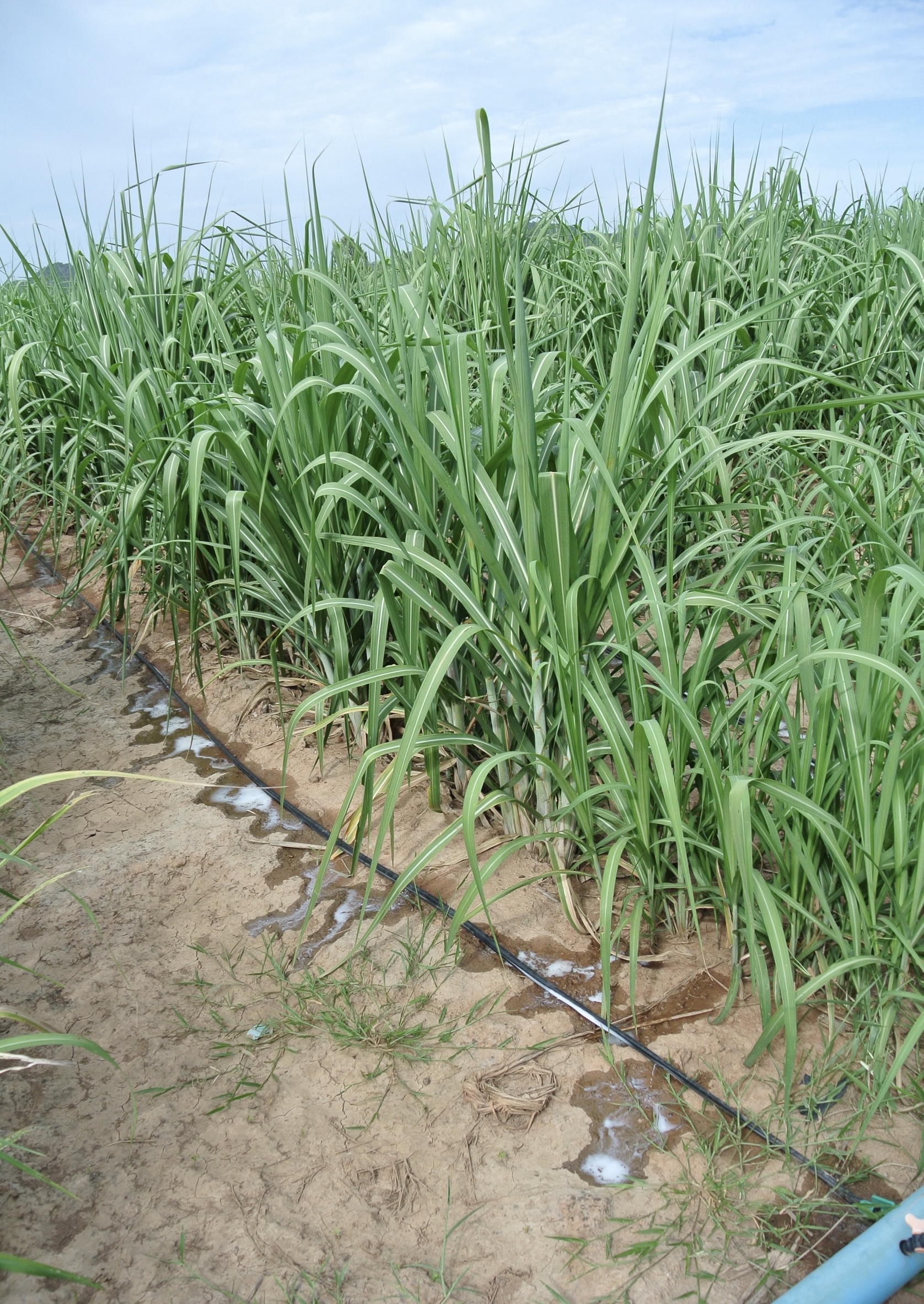
Ever wondered why your yield stays flat no matter how much fertilizer you apply? The problem may not be the fertilizer — it may be acidic soil.
Acidic soil is the silent enemy of Thai farmers. When soil pH drops too low, plants struggle to absorb nutrients. No matter how much fertilizer you add, the roots can't take it up fully, and it becomes wasted cost.
What causes acidic soil? The main culprits are years of continuous chemical fertilizer use, rainwater leaching away minerals, and repeatedly planting the same crop without improving the soil. Over time, the soil grows more acidic until yields visibly decline.
Signs your soil is turning acidic: leaves turn pale yellow even with full fertilizer, yields drop every year despite the same care, certain weeds grow unusually thick, and the soil becomes hard and compacted rather than loose and crumbly.
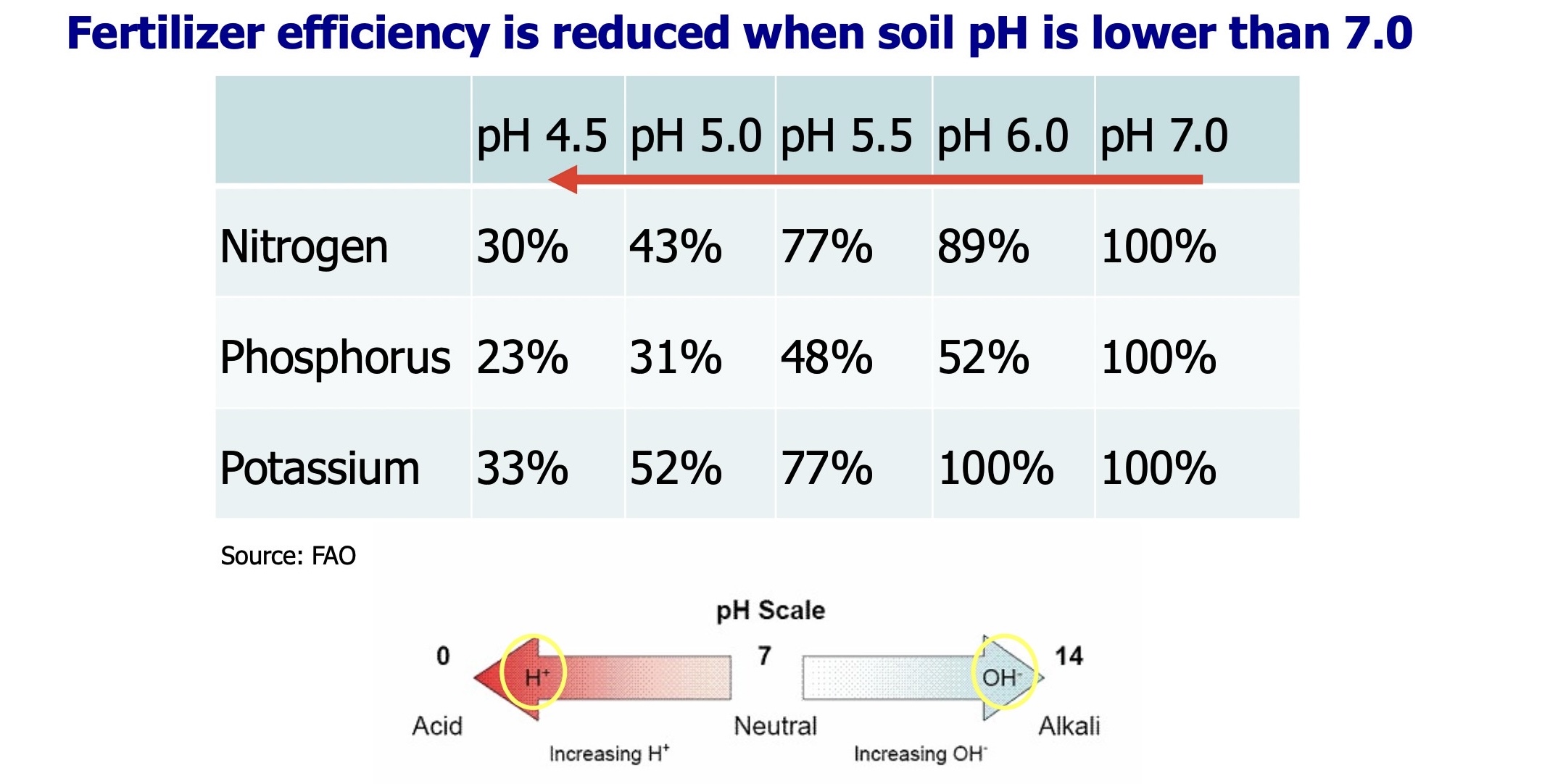
So how do you fix it? The key is rebalancing the pH. SON AND KLIEN uses Calcigation technology — adding calcium and adjusting the soil precisely based on your field's actual soil analysis, not random lime spreading.
Our process starts by interpreting your field's soil analysis, assessing how acidic the soil is and which macro and micronutrients it needs, then designing a soil restoration plan tailored to your specific crops.
The result: healthier soil, roots that absorb fertilizer fully, less wasted fertilizer, and sustainably higher yields.
Investing once in soil restoration is far more worthwhile than adding more fertilizer every year without fixing the root cause. If you suspect your soil may be acidic, consult our experts for free — no obligation.